
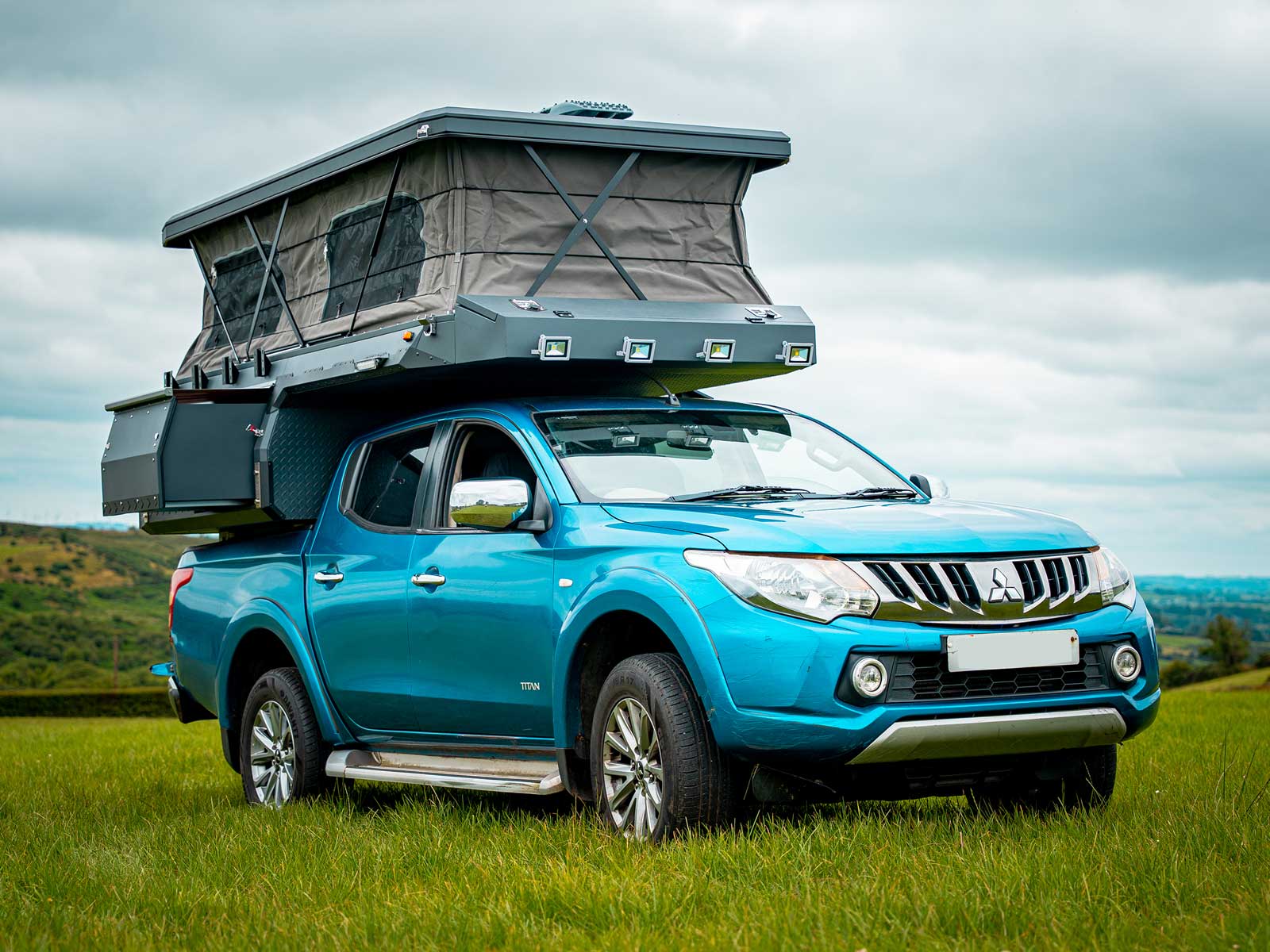
Wild camping in Ireland is increasingly popular with hikers, outdoor enthusiasts, and people looking to explore the country away from busy campsites.
From remote coastlines to quiet mountain valleys, Ireland offers incredible landscapes – but wild camping here comes with important legal and practical considerations.
This guide explains what wild camping is, what’s legal in Ireland, where people commonly do it, and how to camp responsibly so these places remain accessible for future generations.
Wild camping generally refers to camping overnight outside of designated campsites, usually in remote or rural areas.
It typically involves:
Wild camping is about low-impact, discreet camping, not establishing a base or occupying land long-term.
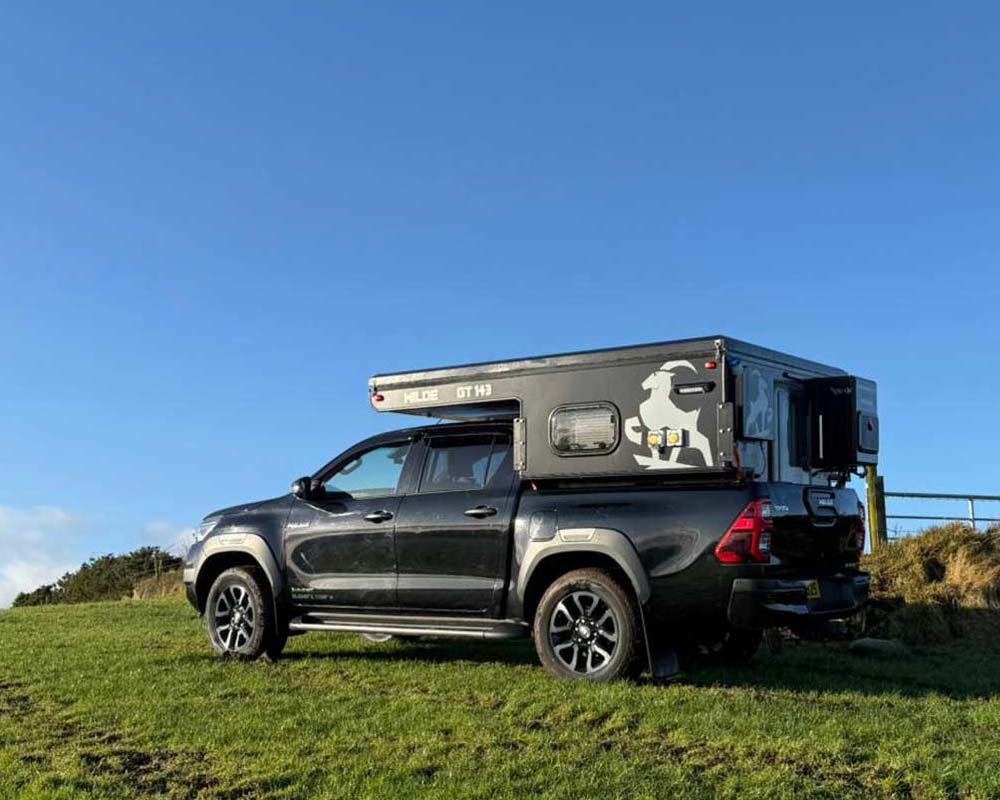
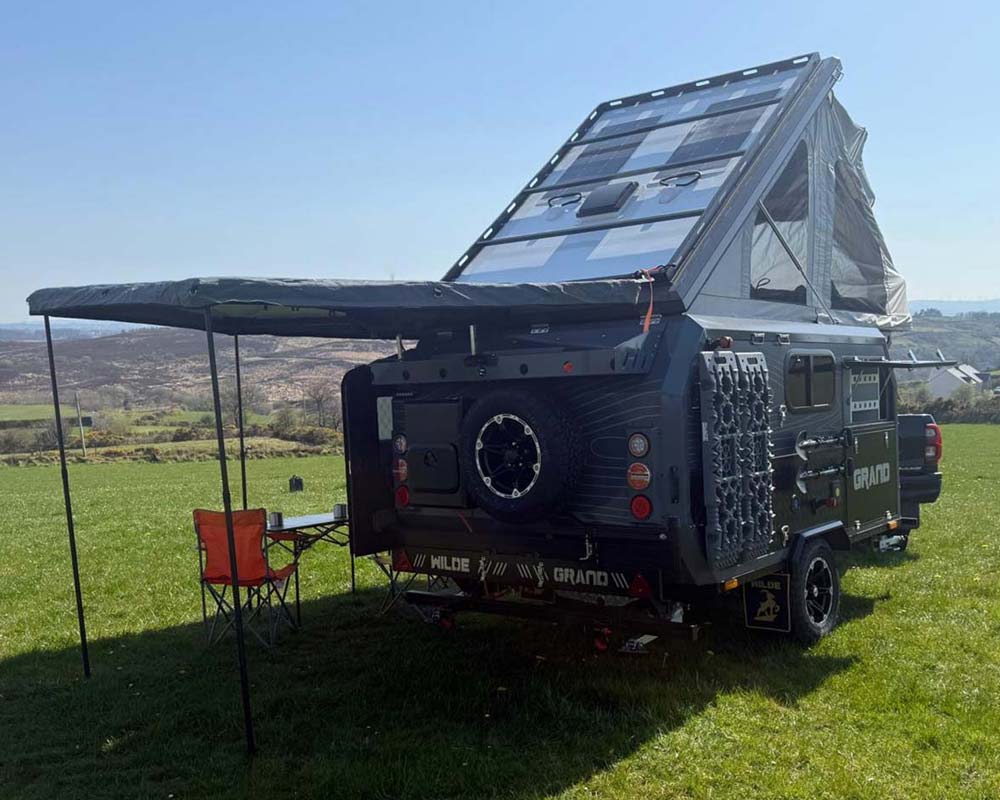
In Ireland, wild camping is most commonly associated with hiking and backpacking, but it’s also practiced by people using minimalist camping setups such as roof tents or self-contained camping trailers.
Wild camping in Ireland is technically illegal without landowner permission, as there is no general “right to roam” in either the Republic of Ireland or Northern Ireland.
Most land is privately owned, and camping without consent is not formally permitted.
In practice, however, wild camping is often tolerated in remote areas when carried out discreetly and responsibly.
Solo or small-group campers who stay for one night, avoid private farmland, and follow Leave No Trace principles are rarely challenged.
In Northern Ireland, wild camping is also restricted on Forest Service land and generally requires permission or the use of designated sites.
National Parks and protected areas may have additional restrictions or bylaws in place.
Because access rules can vary by location, landowner consent remains the safest and most responsible approach wherever possible.
Permission is always the safest option, but responsible wild camping – carried out quietly and away from homes, roads, and farmland – is often left undisturbed.
Responsible behaviour is the single most important factor when wild camping in Ireland.
The more invisible your presence, the more likely wild camping remains tolerated.
While it’s not appropriate to share exact camping locations, certain regions of Ireland are more commonly associated with wild camping due to their remoteness and landscape.
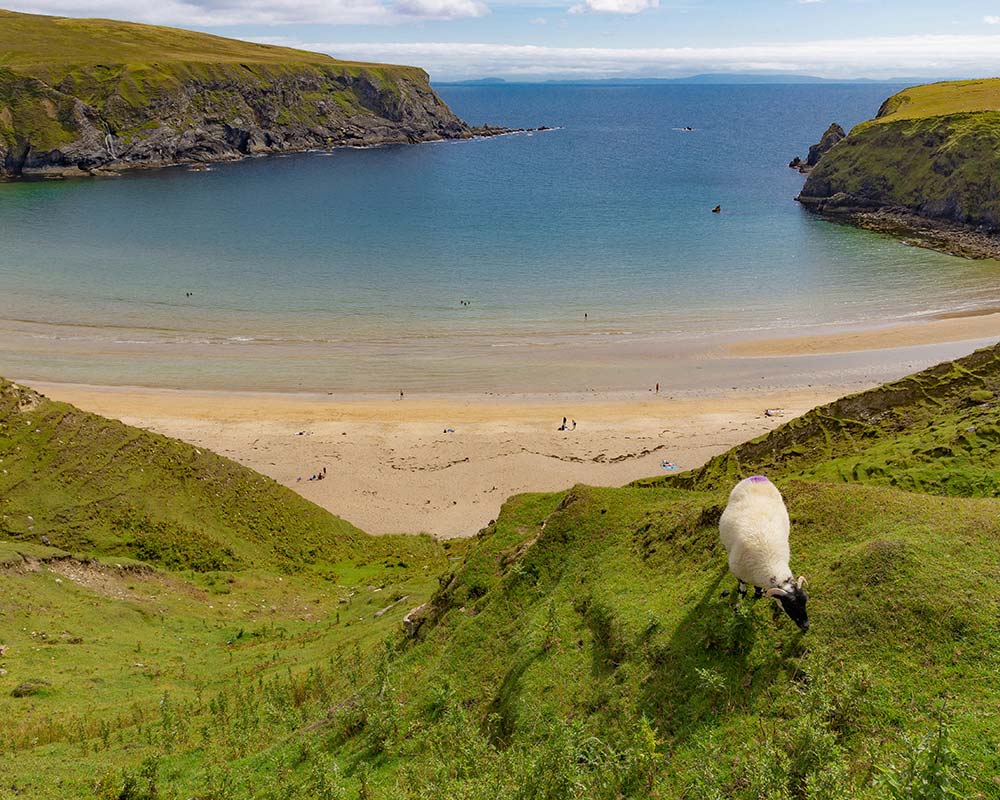
Donegal is often considered one of the best counties for wild camping in Ireland due to:
Campers are drawn to Donegal for its sense of space, but discretion is essential, particularly near coastal access points and popular viewpoints.
Ireland’s state-owned forests, managed by Coillte, are commonly used by hikers for overnight stops. These areas offer:
Check out the Coillte forest recreation areas map for a detailed list of Irish Forests and facilites.
Camp well away from paths, entrances, and forestry operations.
Remote upland areas can be suitable for experienced campers, but weather conditions change quickly, and exposure is a serious consideration.
Wild camping in Ireland isn’t limited to one type of setup.
Regardless of setup, the same principles apply: discretion, respect, and minimal impact.
Ireland’s weather can be unpredictable at any time of year.
If conditions are unsafe, it’s always better to move on or use a campsite.
Wild camping in Donegal is common due to its remoteness, but permission is still technically required. Discretion and respect are essential.
Open fires are generally discouraged. A camping stove is safer and more responsible.
Yes, when done responsibly and with proper planning. Weather and exposure are the main risks.
Yes, but dogs should be kept under control, particularly near livestock and wildlife.
Forests are commonly used, but avoid entrances, active forestry areas, and trails.
Wild camping in Ireland offers a unique way to experience the country’s landscapes, but it relies on respect, discretion, and responsibility.
While the legal situation is not clear-cut, low-impact camping that leaves no trace is often tolerated and rarely causes issues.
By understanding the rules, respecting landowners, and choosing locations carefully, wild camping can remain a positive and sustainable way to explore Ireland.